FAA Ground Stop Delays Over 10,000 Flights Nationwide
The Federal Aviation Administration halted U.S. flights due to extraordinary circumstances, leaving over 10,000 departures delayed amid tight capacity.
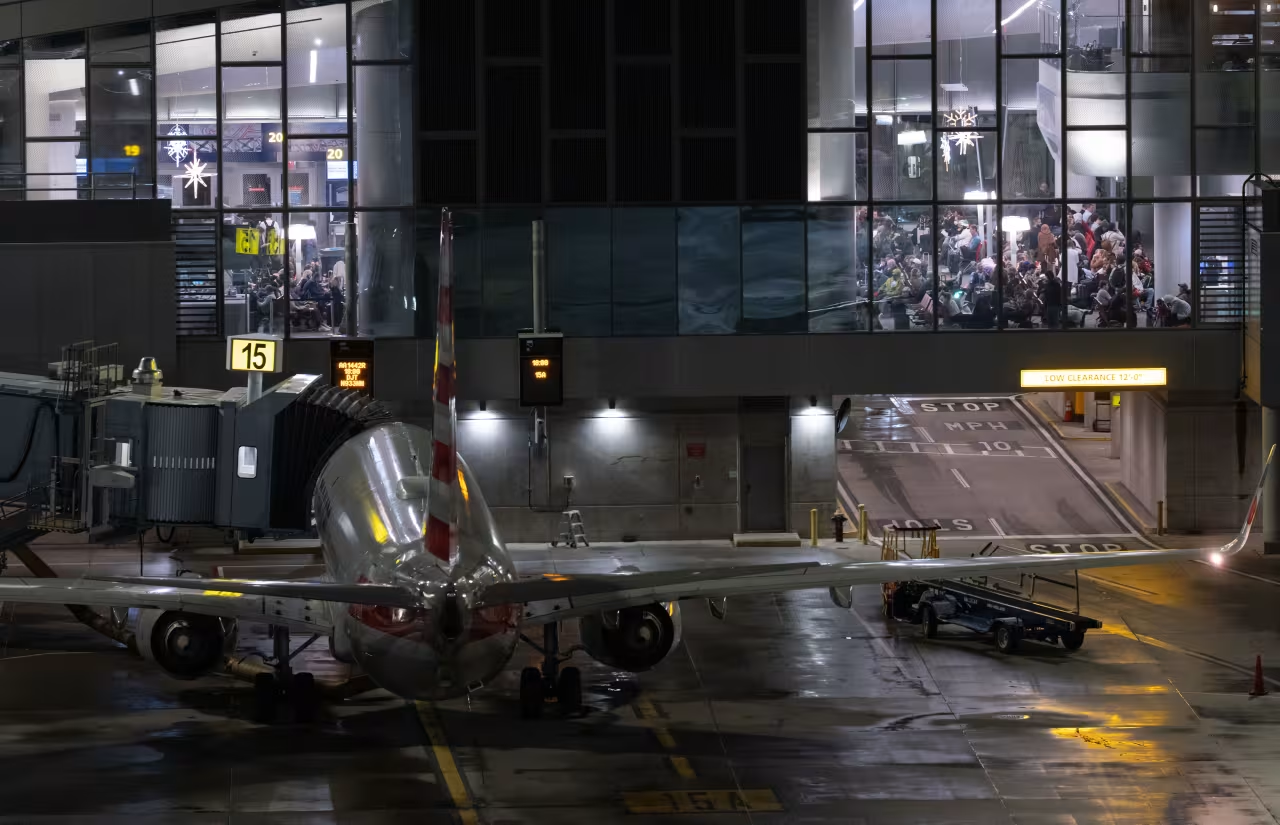
The Federal Aviation Administration declared a rare nationwide ground stop on commercial aviation, resulting in more than 10,000 flight delays across the United States, according to a report by MarketWatch. The regulatory agency cited "extraordinary circumstances" as the catalyst for the sweeping operational halt, which immediately froze departures across major domestic hubs and regional airports alike. While federal authorities moved quickly to assess the root cause of the disruption, Homeland Security Secretary Mullin stated that there is no indication of a malicious attack behind the outage.
For global business travel, domestic logistics networks, and commercial carriers, a systemic halt of U.S. airspace represents a severe operational bottleneck. Unlike localized weather disruptions or carrier-specific information technology failures, a mandate issued at the federal regulatory level paralyzes the entire aviation ecosystem simultaneously. Because the outage coincides with a period of reduced flight schedules driven by surging aviation fuel costs, airlines face acute constraints in their ability to absorb displaced passengers and cargo, magnifying the economic ripple effects across commercial supply chains.
Extraordinary Circumstances and Federal Assessment
Nationwide ground stops ordered by the Federal Aviation Administration are exceedingly rare in modern commercial aviation, typically reserved for critical national security events or systemic failures in core air traffic control and flight-dispatch infrastructure. According to MarketWatch, the agency attributed the sweeping measure to "extraordinary circumstances," though specific technical details regarding the affected systems remained under active evaluation as delays mounted past the 10,000 mark.
The Federal Aviation Administration cited "extraordinary circumstances" in declaring the rare nationwide ground stop, while Homeland Security Secretary Mullin confirmed there is no indication of an attack.
The immediate clarification from Homeland Security Secretary Mullin ruling out a coordinated attack helped stabilize initial security concerns across transport ministries and financial markets. However, the absence of a hostile threat shifts investigative scrutiny toward the resilience of federal aviation infrastructure, operational contingencies, and the redundancy protocols governing national airspace management. When departures are held at origin airports across the country, aircraft and flight crews rapidly fall out of position relative to their scheduled rotations, creating a compounding backlog that extends well beyond the duration of the initial regulatory stop.
Fuel-Cost Pressures Curb Rebooking Capacity
The operational recovery from a 10,000-flight backlog is heavily complicated by prevailing economic conditions within the airline industry. As noted by MarketWatch, commercial carriers have already pared back flight schedules amid a surge in jet fuel costs. To protect operating margins against elevated energy prices, airlines have systematically trimmed excess capacity, retired older aircraft, and consolidated routes to maintain high load factors on remaining departures.
This lean scheduling model leaves the commercial aviation sector with minimal buffer capacity when a systemic disruption strikes. In previous eras of looser seat supply, carriers could more readily rebook stranded travelers onto later flights or deploy reserve aircraft to clear terminal backlogs. Under current capacity discipline, flights are already operating near full occupancy. Consequently, passengers affected by the more than 10,000 delayed departures face significantly curtailed rebooking options, raising the likelihood of multi-day travel disruptions for corporate commuters and time-sensitive air freight.
Furthermore, extended ground stops generate substantial direct expenses for commercial operators. Airlines must manage crew duty-time limitations mandated by federal safety regulations; once flight and cabin crews exceed their legal operating windows while waiting out ground delays, flights must be canceled outright unless relief personnel are available on site. Combined with passenger care obligations, gate congestion, and disrupted maintenance cycles, a nationwide halt imposes immediate financial strain on airline balance sheets already pressured by high fuel expenditures.
Outlook for Airspace Resilience and Carrier Operations
As the Federal Aviation Administration works to restore normal traffic flow across the national airspace system, industry analysts and enterprise logistics planners will closely monitor the speed of schedule normalization. Clearing a backlog of more than 10,000 delayed flights typically requires several operational cycles, particularly when tight seat supply limits passenger reaccommodation.
In the wake of the outage, congressional oversight committees and aviation stakeholders are expected to seek detailed disclosures from the FAA regarding the exact nature of the "extraordinary circumstances" that necessitated a nationwide halt. For commercial airlines, the incident underscores the delicate balance between capacity discipline driven by fuel-cost inflation and the operational flexibility required to weather systemic infrastructure disruptions.
本快讯严格依据 The OmniWire 编辑标准采编发布。主要事实报道均以官方权威电讯通报为基准。