Chandra Observatory Uncovers Trigger Behind Massive Star Outbursts
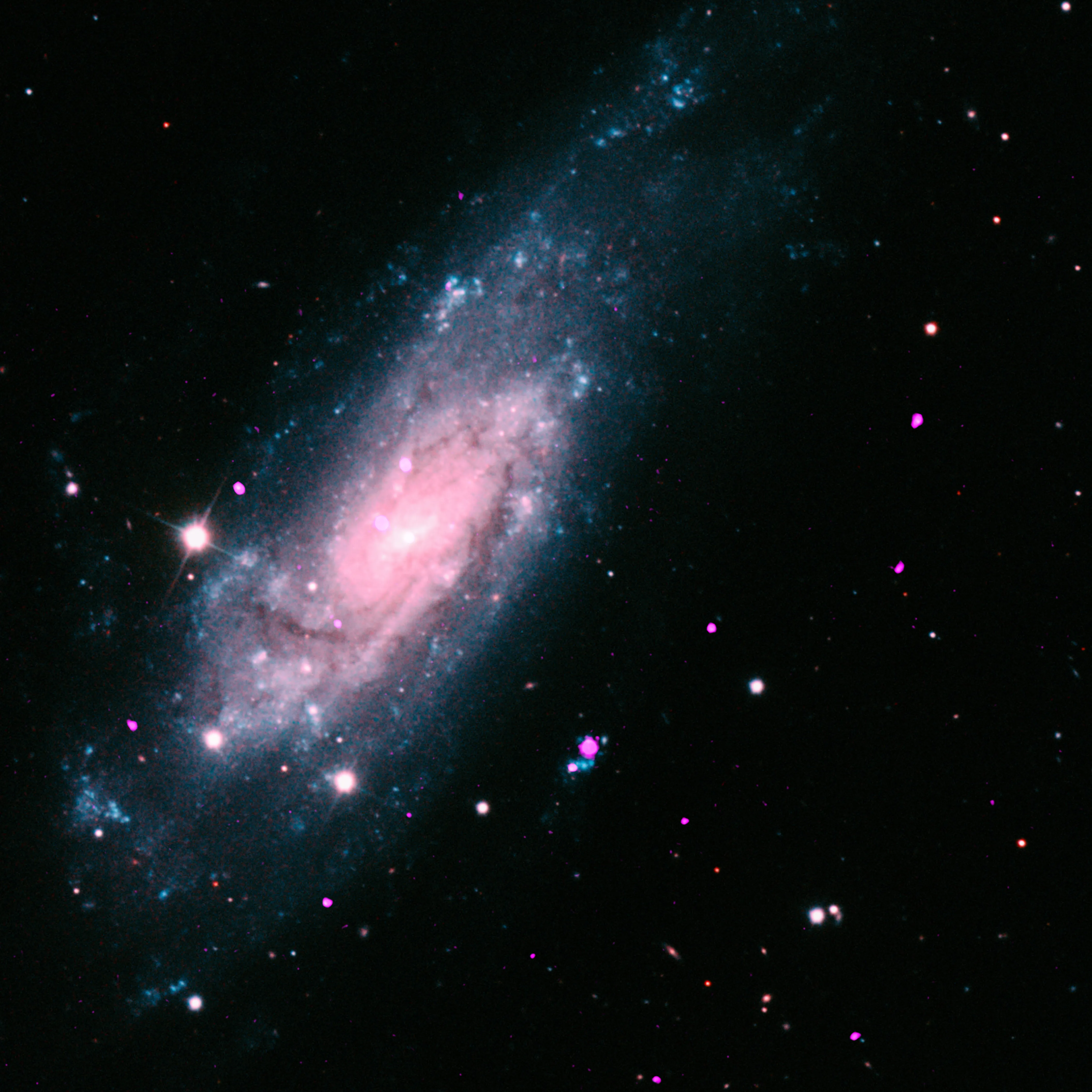
Astronomers using NASA's Chandra X-ray Observatory have identified the catalyst driving recurring eruptions on volatile giant star AT 2016blu in NGC 4559.
Commercial spaceflight, satellite mega-constellations, lunar and deep space exploration.

Astronomers using NASA's Chandra X-ray Observatory have identified the catalyst driving recurring eruptions on volatile giant star AT 2016blu in NGC 4559.

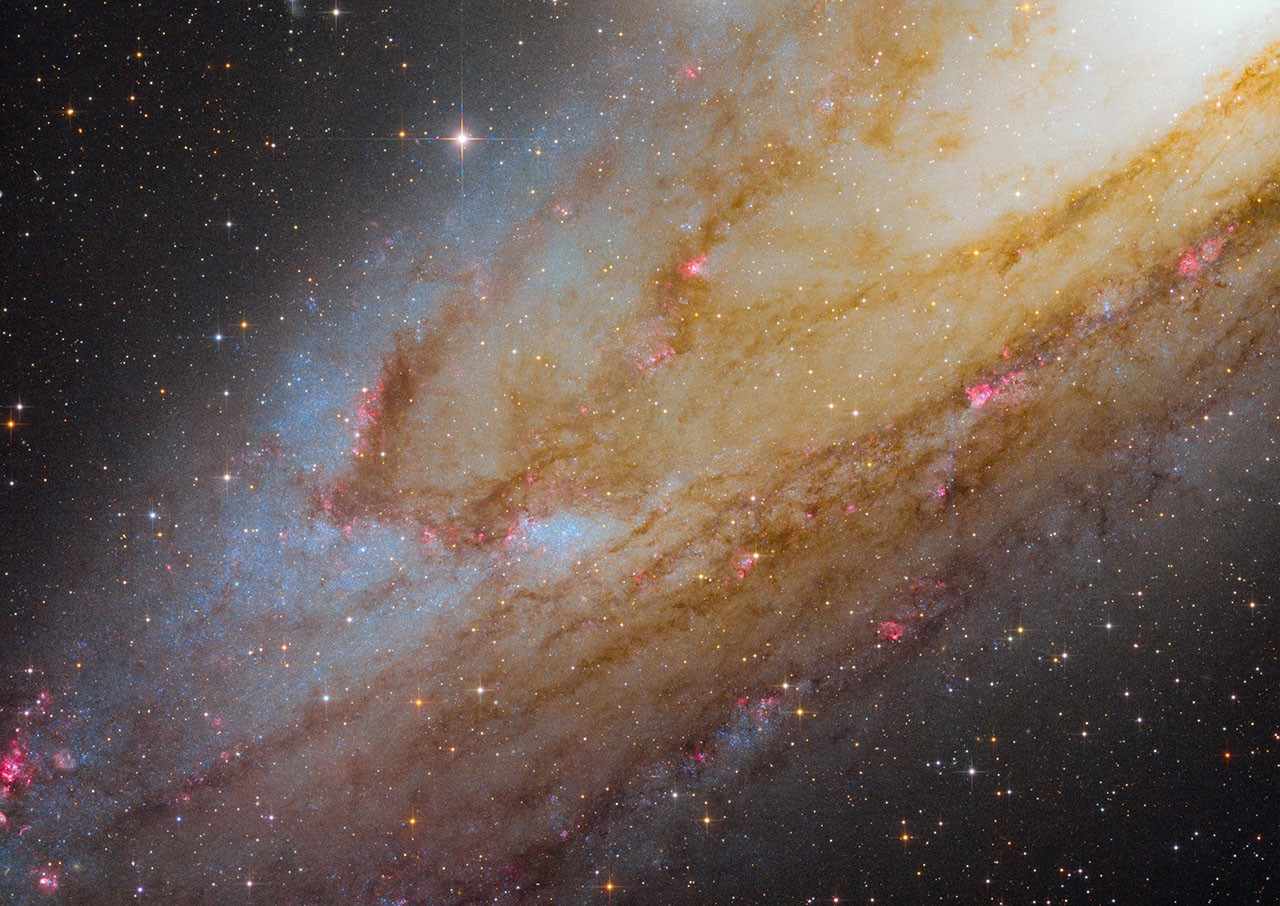
NASA features the massive stellar nursery NGC 206 in the Andromeda Galaxy, offering deep-space observational benchmarks for extragalactic star formation.

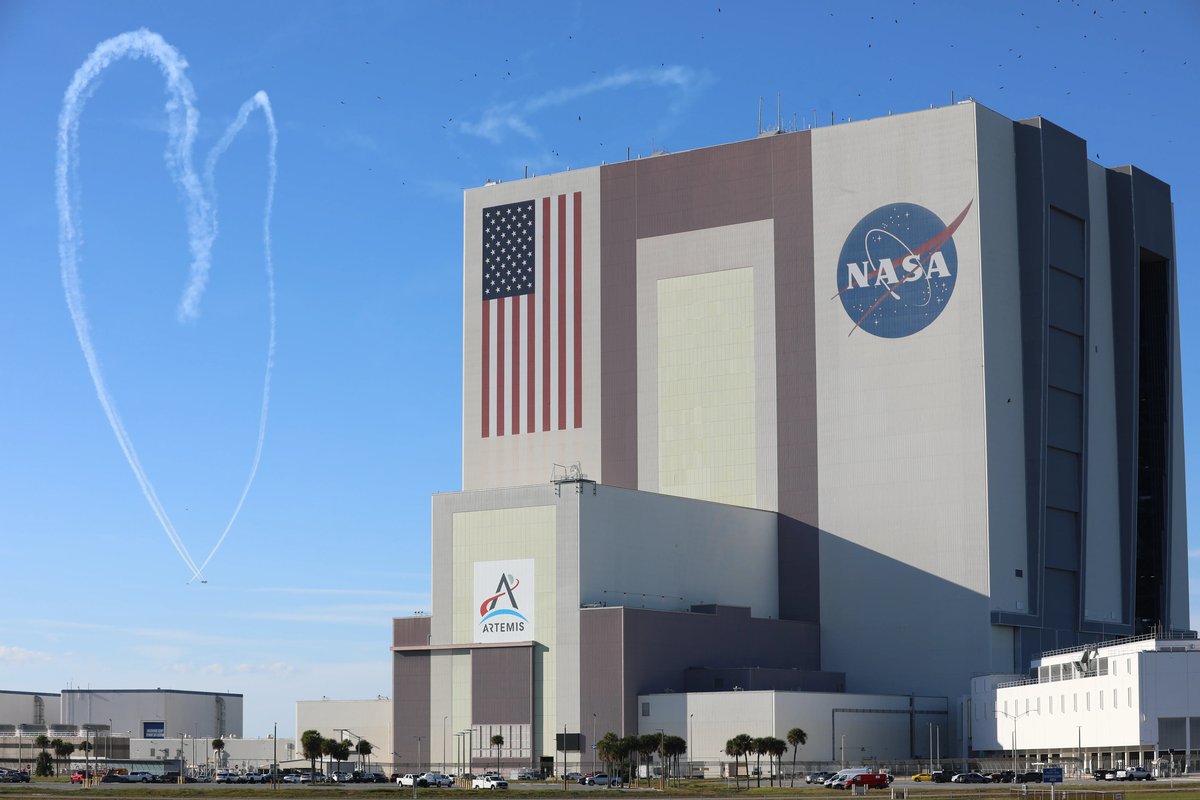
NASA's MAX POWER aerospace festival at Kennedy Space Center highlights military-civilian aviation heritage and the future of flight operations.

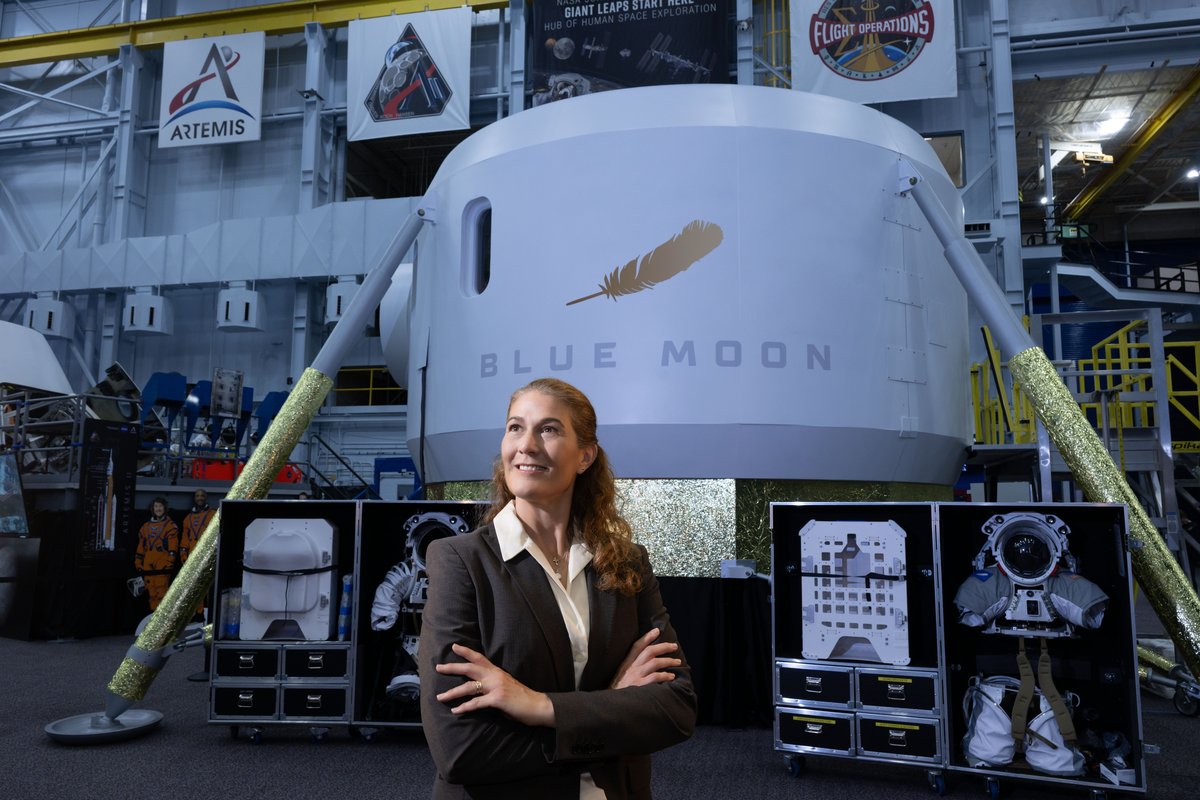
NASA lander integration lead Katie Spicer directs technical coordination for Blue Origin's Blue Moon Mark 2 human landing system under the Artemis program.

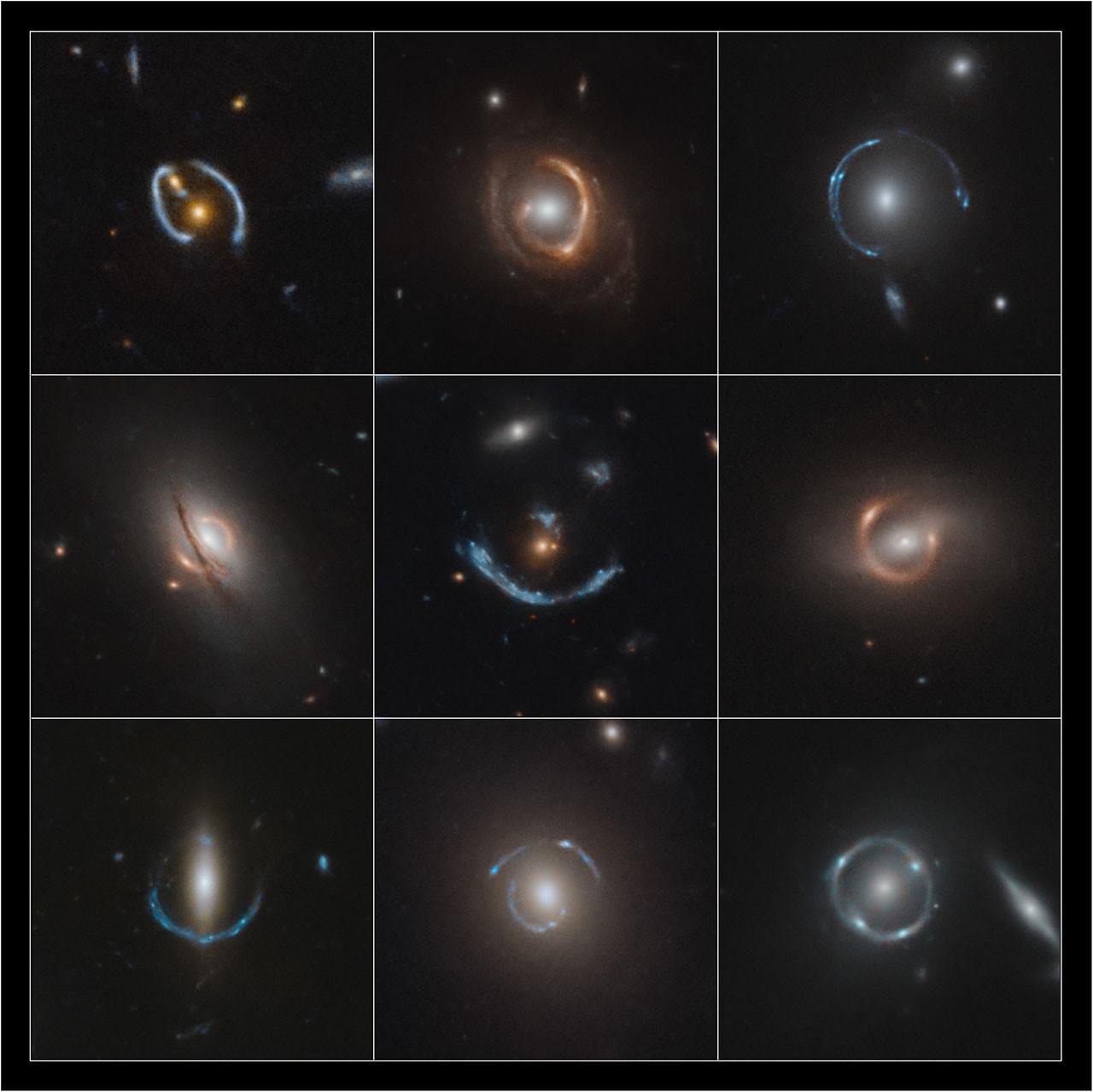
A newly released Hubble gallery of gravitational lenses establishes the observational baseline for NASA's upcoming Nancy Grace Roman Space Telescope.

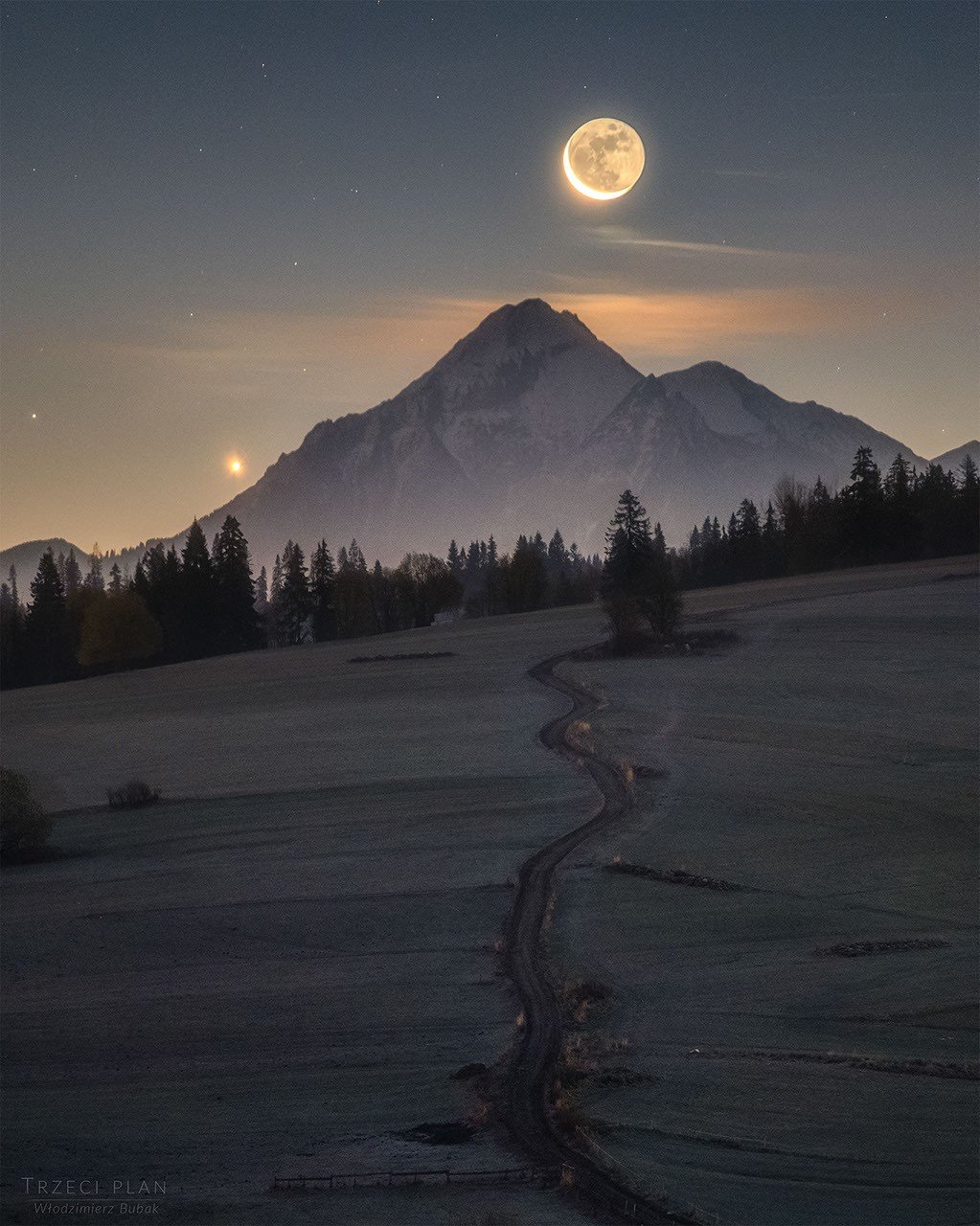
NASA's Astronomy Picture of the Day documents the November 12 alignment of the Moon, Venus, and Spica, reinforcing observational astronomy benchmarks.

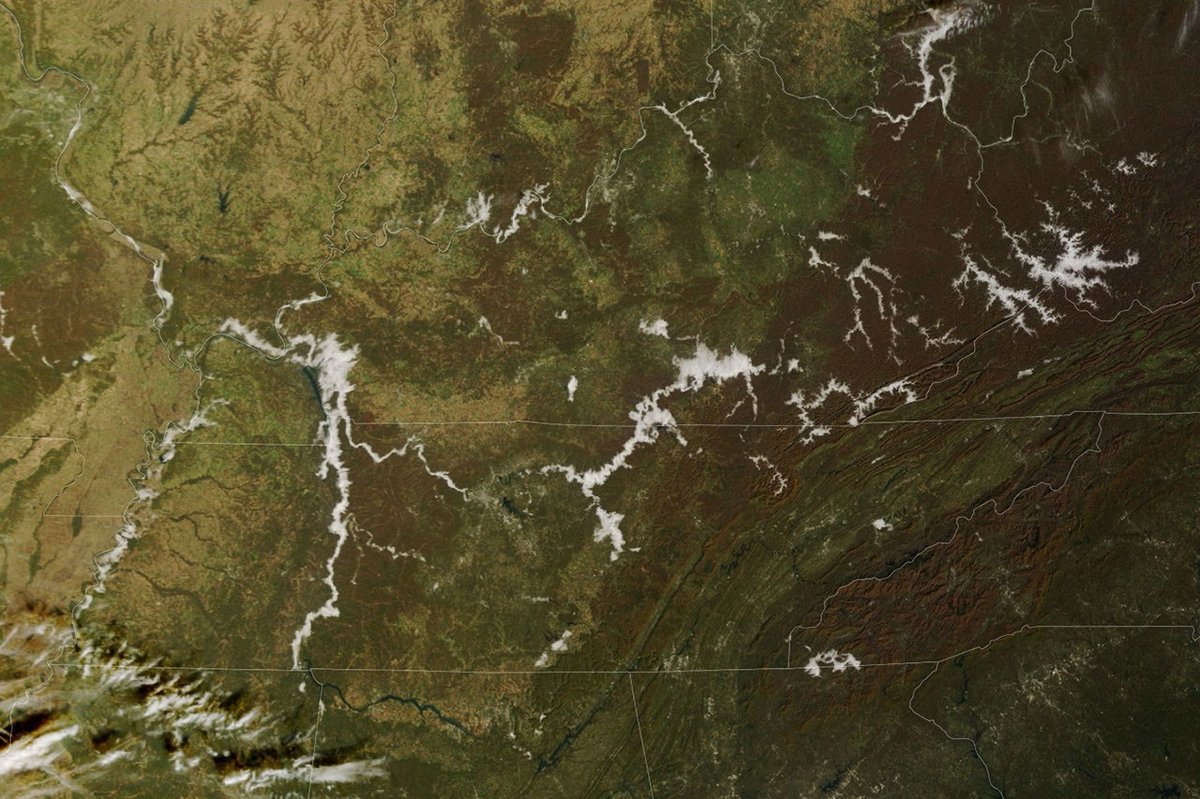
Satellite observations reveal how seasonal radiation cooling traps low-lying cloud formations across the Appalachian Plateau and Cumberland River valleys.

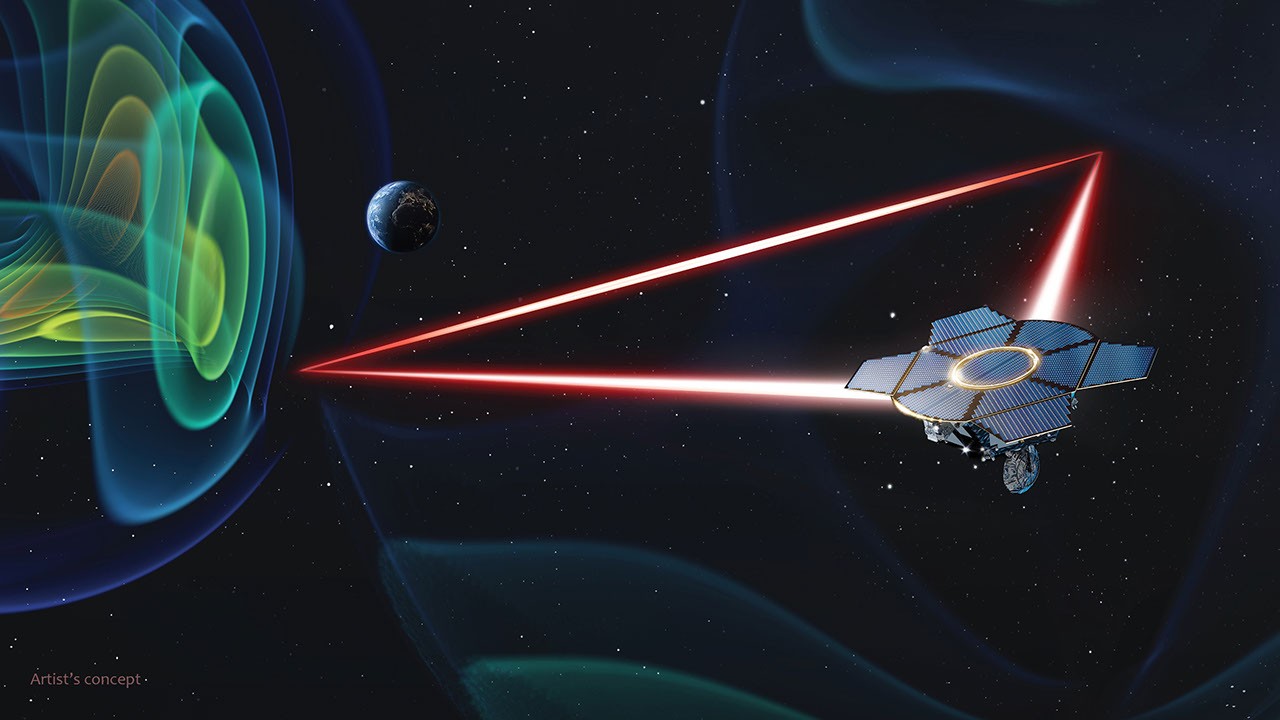
Two studies led by NASA astrophysicists detail how the upcoming LISA space observatory could detect a unique population of exoplanets across our galaxy.

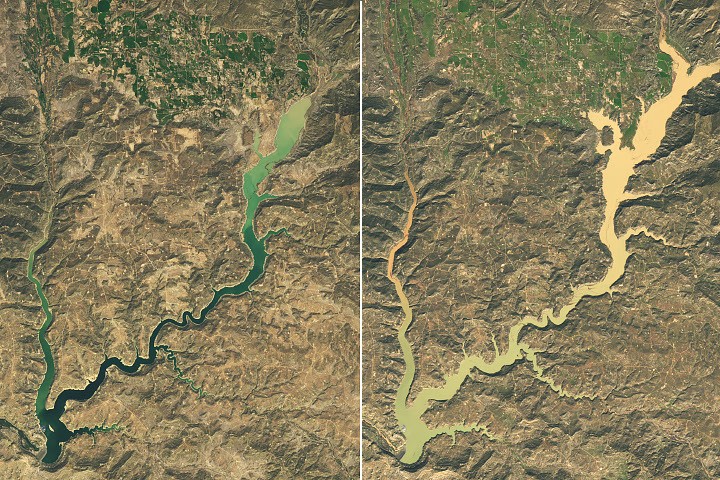
Satellite observations from NASA track a sharp hydrological rebound at New Mexico's second-largest reservoir following rounds of intense regional precipitation.

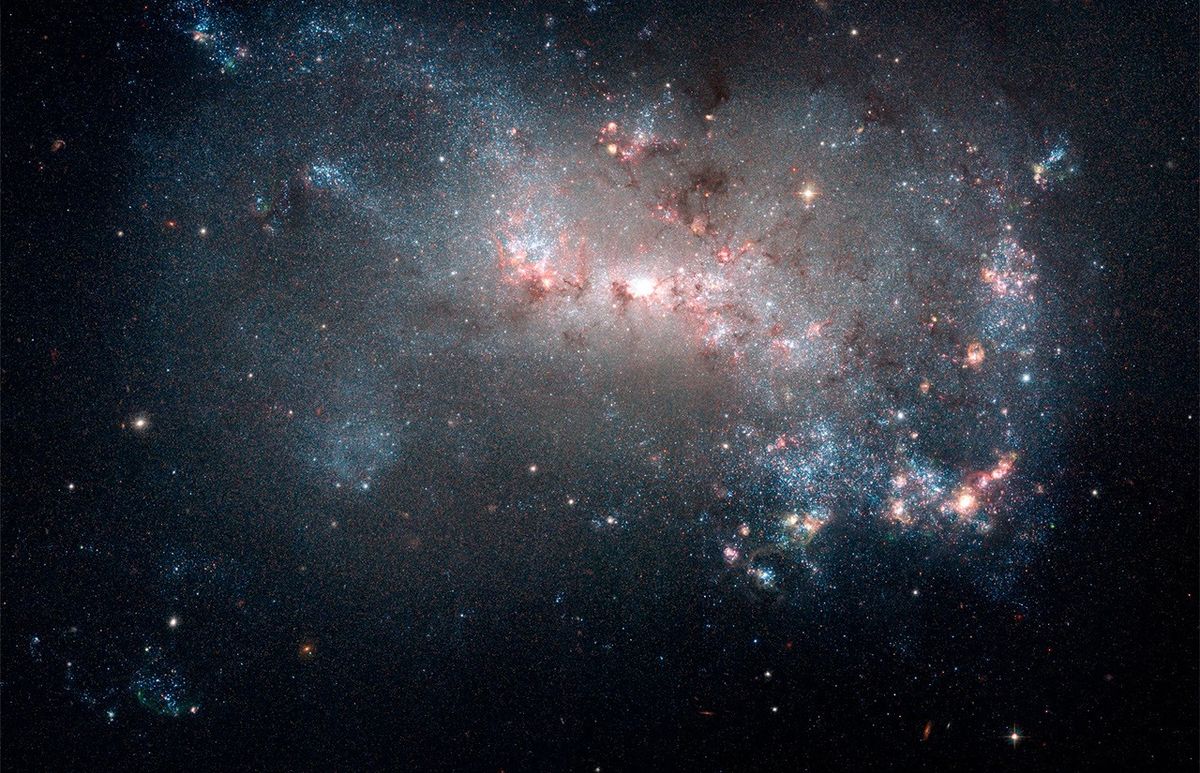
Featured by NASA's Astronomy Picture of the Day, irregular dwarf galaxy NGC 4449 offers astronomers a nearby benchmark for intense galactic star formation.

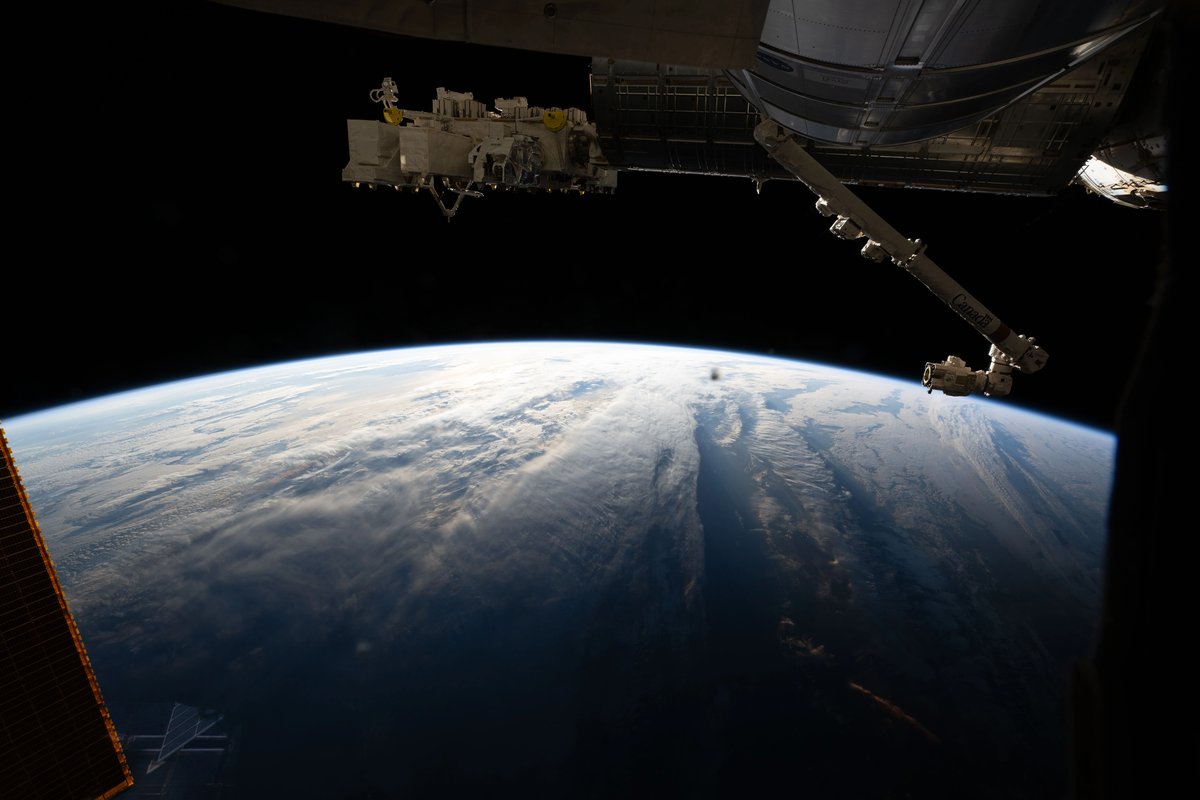
International astronauts and cosmonauts from Expedition 74 will gather in Houston to review orbital operations following their International Space Station mission.

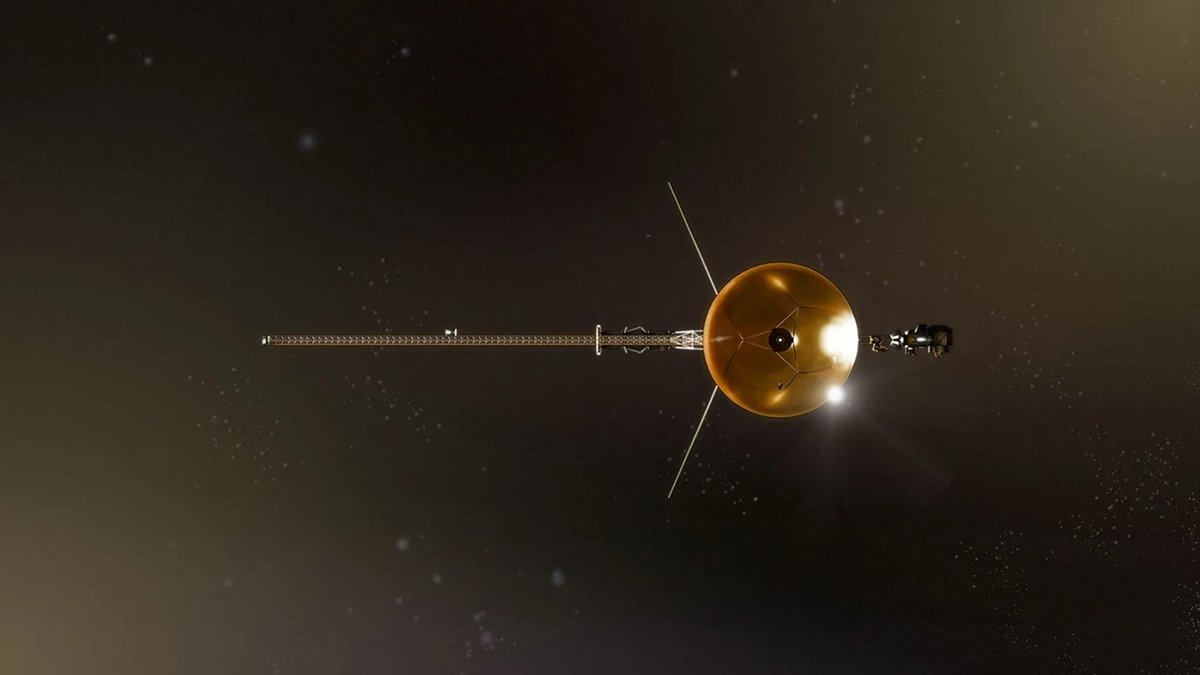
Nearly five decades after its 1977 launch, NASA's Voyager 1 spacecraft will reach a distance of more than 16 billion miles on November 18.