OpenAI Rolls Out ChatGPT Wallet for Autonomous Agent Checkout
ChatGPT's new Wallet feature enables AI agents to browse, shop, and complete purchases on behalf of users, launching first for U.S. Pro subscribers.
EXECUTIVE BRIEF // KEY TAKEAWAYS
ChatGPT's new Wallet feature enables AI agents to browse, shop, and complete purchases on behalf of users, launching first for U.S. Pro subscribers.
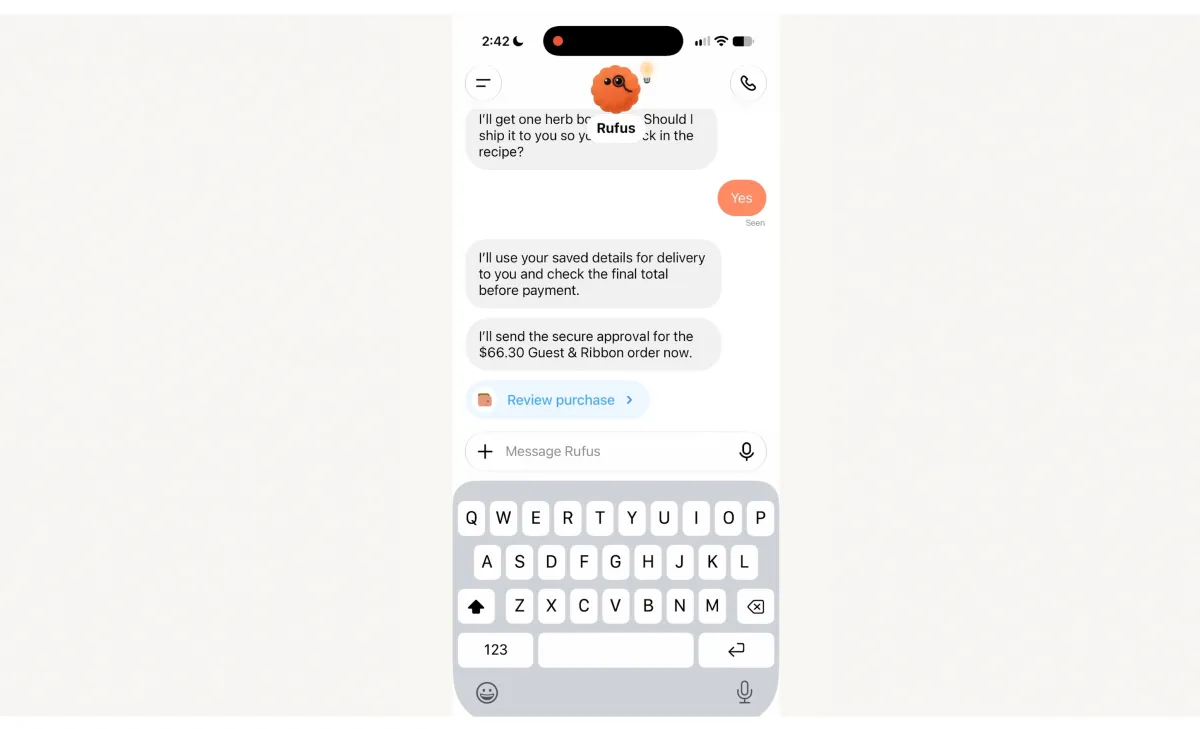
OpenAI has introduced a dedicated digital payment feature, ChatGPT Wallet, designed to allow artificial intelligence agents to browse retail platforms, select merchandise, and execute checkout transactions directly on behalf of users, according to a report by TechCrunch. The deployment begins with a restricted rollout targeted specifically at ChatGPT Pro subscribers based in the United States, marking a transition from conversational product discovery to autonomous commercial execution within consumer AI interfaces.
The introduction of native payment credentials inside an AI assistant carries significant implications for global e-commerce, digital advertising, and payment processing infrastructure. For decades, online retail has relied on human consumers navigating visual storefronts, comparing product listings, and manually entering payment details at checkout. By equipping software agents with direct purchasing authority, the transaction layer shifts away from traditional web browsers and merchant apps toward automated intermediaries capable of executing end-to-end shopping workflows.
From Conversational Search to Agentic Transactions
Over the past two years, generative AI platforms have increasingly integrated real-time web browsing and product recommendation capabilities, positioning conversational interfaces as an alternative to conventional search engines. However, until now, the final step of the commercial journey remained fragmented. Users who researched products through ChatGPT still had to click external links, navigate individual merchant checkouts, and authenticate payments manually on third-party websites.
According to TechCrunch, ChatGPT Wallet bridges this operational gap by empowering AI agents to handle both the shopping and checkout stages on a user's behalf. Rather than acting solely as an informational advisor, the agent operates as a transactional proxy. By limiting the initial release to U.S.-based Pro tier subscribers, the platform restricts early transaction volume to its highest-paying consumer cohort, allowing the system to test payment reliability, merchant compatibility, and user authorization controls in a controlled environment before any broader expansion.
Operational and Commercial Impact on Digital Retail
The integration of autonomous checkout capabilities into consumer AI platforms introduces structural shifts across the digital commerce ecosystem. For online merchants, agent-mediated shopping alters how brand visibility and conversion funnels operate. Traditional e-commerce interfaces are optimized for human visual attention through promotional banners, upsell prompts, and curated page layouts. Software agents, by contrast, parse structured product specifications, pricing data, and availability metrics programmatically, bypassing conventional visual merchandising strategies.
For payment networks and financial technology providers, agent-initiated transactions require robust authentication and risk management frameworks. When an automated agent initiates a checkout on a user's behalf, payment processors and issuing banks must distinguish legitimate delegated purchases from unauthorized automated traffic or bot-driven fraud. Establishing clear authorization boundaries—such as spending limits, merchant allowlists, and confirmation thresholds—becomes essential to preventing disputed charges and maintaining consumer trust in delegated commerce.
Furthermore, the decision to anchor the initial launch within the U.S. Pro subscriber tier highlights the computational and operational overhead associated with running multi-step agentic workflows. Autonomous shopping requires the underlying model to navigate dynamic web forms, verify inventory options, handle shipping parameters, and securely transmit payment credentials without human intervention at every click.
Strategic Outlook and Regulatory Considerations
As AI developers move deeper into transactional services, competition among major technology platforms is expected to center on who controls the primary interface for consumer spending. If conversational agents become a standard channel for routine purchases, AI platform operators could capture significant leverage over merchant discovery, referral economics, and checkout conversion rates.
At the same time, autonomous purchasing systems face rigorous scrutiny regarding consumer protection, liability allocation, and data privacy. Financial regulators and payment compliance bodies require strict adherence to know-your-customer standards, tokenization protocols, and clear dispute resolution mechanisms when software acts as a financial agent. How effectively ChatGPT Wallet performs during its initial U.S. Pro rollout will serve as a key indicator of whether consumers and merchants are prepared to entrust everyday financial transactions to autonomous software agents.